Smooth skin can feel clean, fresh, and easy to manage. Still, waxing can seem confusing at first. You may worry about pain, redness, or ingrown hairs. You may also wonder how long results last. This blog removes that guesswork. It explains how waxing works, how to prepare, and what to expect. You will also learn simple waxing techniques and safe aftercare steps. These tips can help you avoid common mistakes and protect your skin.
Most importantly, you can make choices based on your comfort and skin needs. Hair removal is personal, so there is no single “right” choice. However, good information can make every step safer and less stressful without feeling lost or rushed.
1. How Waxing Works and Why Results Last
Waxing removes hair from the root instead of cutting it at the skin. Therefore, smooth results usually last longer than shaving. Hair grows in cycles, so new growth may appear at different times. Regular sessions can help create a more even routine.
| Method | How It Removes Hair | Usual Result |
| Shaving | Cuts hair at skin level | Fast regrowth |
| Waxing | Pulls hair from the root | Longer smoothness |
| Tweezing | Removes single hairs | Best for small areas |
| Creams | Break down visible hair | Short-term smoothness |
Waxing does not stop hair growth forever. However, repeated removal may make some hair feel softer or finer. Results still vary by body area, hormones, and hair type.
2. Choosing the Right Wax for Each Area
Different areas need different care. Facial skin is often thinner and more reactive. Meanwhile, leg and arm hair may cover larger spaces.
A trained waxer may choose hard wax, soft wax, or another method.
Hard wax often suits small or sensitive areas.
Soft wax can work well across larger body areas.
Facial waxing needs careful heat and product control.
Bikini areas need extra hygiene and gentle handling.
Brow waxing needs a clear shape before removal begins.
Your skin history matters too. For example, eczema, sunburn, or recent skin treatments can raise irritation risks.
Therefore, share any skin concerns before the session. Also mention allergies, acne products, and medicines. Clear details help the waxer protect your skin and adjust the process.
3. Preparing Your Skin Before Waxing
Good preparation can reduce pulling, broken hairs, and soreness. First, let the hair reach about one-quarter inch. The American Academy of Dermatology suggests roughly one-quarter to three-quarters of an inch.
Gently wash the area before your appointment.
Skip heavy lotion, oil, and body butter that day.
Exfoliate lightly one or two days beforehand.
Avoid sunburned, cut, or badly irritated skin.
Wear loose clothing around the waxed area.
Also, avoid facial retinoids before facial waxing. The AAD advises stopping retinol or prescription retinoids two to five days beforehand.
These products can make skin easier to lift during hair removal. Never wax skin after recent isotretinoin use. Ask a dermatologist when you feel unsure.
4. What Happens During a Waxing Session
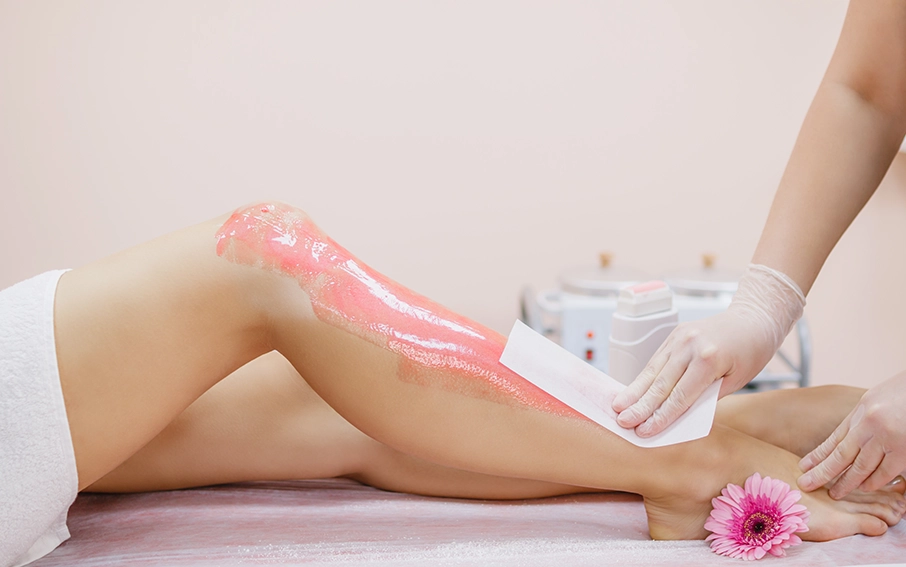
A good session starts with a quick skin check. Next, the waxer cleans and dries the area. Dry skin helps wax grip the hair better. Then, warm wax goes onto a small section.
“Warm” should never mean painfully hot.
The wax should follow the direction of hair growth. Then, the strip or hardened wax comes off against growth.
The skin should stay firm during removal. This step may reduce pulling and discomfort. The AAD recommends testing wax temperature on the inner wrist first. It should feel warm, not burning.
Finally, the waxer removes leftover wax and calms the skin. Mild redness may happen. However, strong burning, torn skin, or heavy swelling needs attention.
5. Techniques That Improve Results
Work in Small Sections
Small sections give better control. They also lower the chance of missed hairs. Therefore, large areas should be divided into neat zones.
Follow Hair Growth
Apply wax with the hair growth. Then, remove it in the opposite direction. Pull the strip close to the skin, not upward. This movement can reduce bruising and broken hairs.
Hold the Skin Firm
Firm skin helps the wax release cleanly. It can also make the pull feel faster. However, never repeat wax over irritated skin many times.
Good waxing techniques depend on steady movement and clean tools. Rushing often creates uneven results. Therefore, pause when the skin becomes too red, tender, or sore.
6. Managing Pain and Sensitive Skin
Waxing causes brief discomfort because hair leaves the root. Still, pain levels differ by person and body area.
Thick hair may feel stronger during the first few sessions. Sensitive skin may also remain pink longer.
A fast pull often feels easier than a slow one.
Before waxing, sleep well and drink enough water. Also, avoid arriving with sunburn or broken skin.
A cool pack may help before or after treatment. The AAD also suggests cold packs for discomfort.
Tell the waxer when the heat feels sharp. Likewise, speak up if your skin begins to sting. Pain should not feel like burning. People with eczema flares or very reactive skin should ask a dermatologist first. Safe waxing should respect your skin, not test its limits.
7. Waxing Aftercare for the First 48 Hours
Freshly waxed skin needs calm, simple care. Heat, sweat, and rubbing may increase redness. Therefore, give the area time to settle.
Use a cool compress for short periods.
Choose loose, soft clothing after body waxing.
Skip hot showers, saunas, and steam rooms.
Avoid hard workouts until irritation settles.
Use a gentle, non-clogging moisturizer.
Also, avoid perfume, strong acids, scrubs, and tanning products on the area. Do not scratch small bumps. Instead, keep the skin clean and dry.
The AAD advises avoiding hot baths and wearing loose clothing after waxing. It also recommends a non-comedogenic moisturizer. Redness often fades quickly. However, swelling lasting over two days should be checked by a dermatologist.
8. Preventing Ingrown Hairs and Protecting Your Skin
Ingrown hairs happen when new hair curls back into the skin. They may look red, dark, itchy, or sore. Curly and coarse hair can raise the risk. After two or three calm days, gentle exfoliation may help. Use light pressure and warm water.
Conclusion
However, never pick, squeeze, or dig at a bump. That can cause infection, swelling, or lasting marks. Cleveland Clinic advises leaving ingrown hairs alone. It also recommends seeking care when infection signs appear.
In the end, smart waxing aftercare protects both your comfort and results. Watch for spreading redness, pus, severe pain, or fever. Contact a healthcare professional when these signs appear. For people choosing salon waxing, Deview Nail Spa lists facial and body waxing among its available beauty services.